
Cleaning Biohazards from a Vehicle
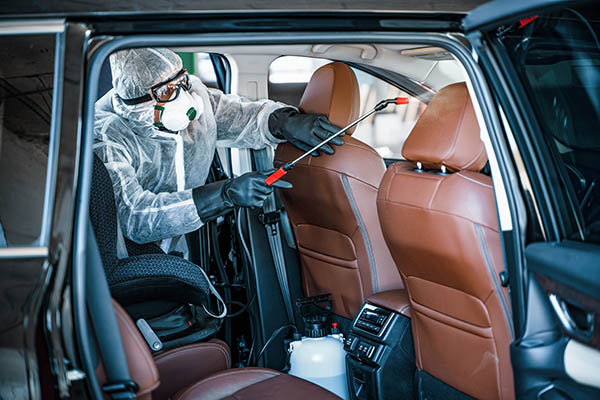
Biohazards in a vehicle following a homicide, suicide, or drive-by shooting pose serious health and safety risks. Blood, bodily fluids, and tissue can seep into porous materials such as seats, carpeting, and the headliner, creating an environment for bacteria, viruses, and other pathogens to thrive. These contaminants may carry bloodborne diseases like HIV, Hepatitis B, or Hepatitis C, which can remain active in dried blood for days or even weeks. Without professional biohazard remediation, the vehicle remains unsafe for use and may emit foul odors or cause illness. Standard cleaning methods are not sufficient to fully remove biological contaminants from the many tight, hidden spaces within a vehicle’s interior, including under seats, inside vents, or within the dashboard. Additionally, the emotional trauma linked to such events further underscores the need for compassionate, discreet, and professional cleanup. Proper decontamination is essential to restore safety, prevent disease transmission, and ensure regulatory compliance.
Professional, Caring and Compassionate
- Locally owned and operated
- Trained & certified
- Fully licensed and insured
VEHICLE DECONTAMINATION
The process of removing biohazards from a vehicle begins with a thorough assessment to identify all areas contaminated by blood, bodily fluids, or tissue. Technicians wear full personal protective equipment (PPE) to ensure safety and prevent exposure to dangerous pathogens. All visible biohazard material is carefully removed using specialized tools, absorbent pads, and biohazard waste containers. Next, technicians dismantle affected components—such as seats, carpets, and panels—to access hidden contamination. Industrial-grade cleaners and hospital-grade disinfectants are applied to all impacted surfaces to neutralize bacteria, viruses, and odors. In some cases, ozone treatment or fogging is used to sanitize the air and reach inaccessible areas like vents and headliners. Any items that cannot be effectively cleaned are discarded according to local biohazard disposal regulations. Once the vehicle is fully decontaminated, it is inspected to ensure it meets health and safety standards. The goal is to restore the vehicle to a safe, usable condition.
Crime Scene Mitigation is Trained in Vehicle Decontamination
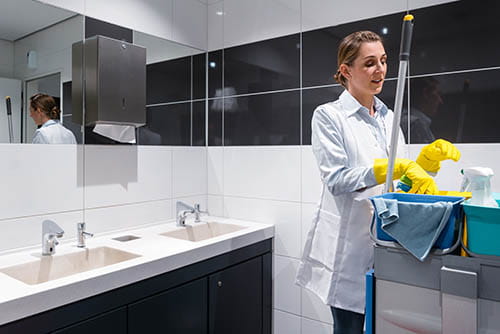
Our biohazard remediation technicians are held to the highest standards. Each technician has been thoroughly screened and a background check conducted. Additionally, depending on their work assignment, team members may be required to complete various training courses required by OSHA or other governing bodies.
Vehicle decontamination may require the following to be cleaned or removed:
- Seats and seat cushions – Often absorbent and likely to be contaminated with fluids.
- Carpets and floor mats – Can retain blood and fluids that seep downward.
- Headliner – May be contaminated from upward spray patterns or vaporized fluids.
- Dashboard and control panels – Often affected by splatter or airborne particles.
- Door panels and handles – Frequently touched and may hold contamination.
- Seat belts and buckles – Absorbent materials that require detailed cleaning or replacement.
- Air vents and HVAC system – Can harbor bioaerosols and spread contaminants.
- Center console and cup holders – Common collection points for fluids or debris.
- Trunk or cargo area – May be impacted if the incident occurred or spread there.
- Glass and interior windows – Often need cleaning due to blood splatter or fingerprint contamination.
Why Professionals are Required

We Kill 99.9% of Bacteria
Bacteria can pose serious dangers, including infections, food poisoning, and antibiotic resistance. Pathogenic strains may cause diseases like tuberculosis and strep throat, while antibiotic resistance complicates treatment, leading to harder-to-manage and potentially fatal illnesses.

More than Blood
Contaminated blood poses severe risks, including transmission of diseases like HIV, hepatitis B, and hepatitis C. Infected blood can lead to life-threatening health issues, spread through transfusions or contact, making rigorous screening and safety crucial.
Hoarding is Dangerous
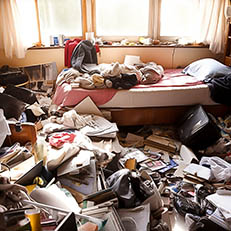
Hoarding creates serious health and safety risks, including fire hazards, structural damage, and unsanitary living conditions. Excessive clutter can attract pests, spread mold, and block emergency exits, putting occupants in immediate danger.