
Crime Scenes & Biohazards
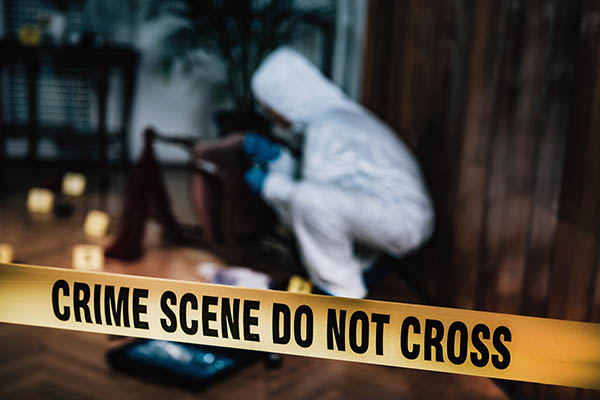
Crime scenes often involve the presence of biohazards, making professional cleanup critical to protect health and safety. When a violent crime, suicide, unattended death, or traumatic event occurs, bodily fluids such as blood, tissue, or other biological materials may be left behind. These substances can carry dangerous pathogens like HIV, Hepatitis B, or Hepatitis C, posing serious health risks to anyone exposed without proper protection. The connection between crime scenes and biohazards requires a careful, regulated approach to cleaning and decontamination. Crime scene cleanup technicians are trained to identify, remove, and properly dispose of all biohazardous materials using personal protective equipment (PPE), specialized tools, and EPA-approved disinfectants. Improper cleanup can lead to the spread of infectious disease and long-term contamination of the environment. Because crime scenes can be both emotionally traumatic and biologically dangerous, biohazard remediation ensures that the area is not only visibly clean but also safe and restored to a habitable condition.
Serving with Compassion, Integrity & Respect
- Twenty years of law enforcement and EMS experience
- Trained and certified
- Fully licensed and insured
CRIME SCENE CLEANUP
Crime scene cleanup is a specialized service focused on the safe and thorough cleaning of locations where violent crimes, accidents, or unattended deaths have occurred. Trained professionals handle the removal of blood, bodily fluids, and other biohazardous materials, ensuring the area is restored to a safe and sanitary condition. This process involves using advanced cleaning agents, equipment, and protective gear to eliminate all traces of contamination, preventing the spread of diseases and infections. Beyond the technical aspects, crime scene cleaners often provide emotional support to affected individuals, helping them cope with the trauma associated with such events. The meticulous work of these professionals not only restores physical spaces but also aids in the healing process for families and communities affected by the aftermath of tragic incidents.
Your Leader In Crime Scene Cleanup
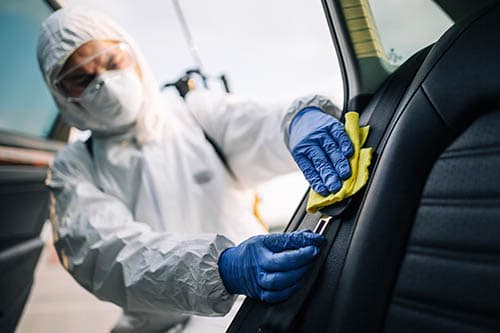
Our biohazard remediation technicians are held to the highest standards. Each technician has been thoroughly screened and a background check conducted. Additionally, we ensure each of our specialists and technicians complete a mandated training program that includes best practices for the safe handling of biohazards, methods & techniques of hoarding cleanup, OSHA mandated courses and more.
Steps Involved in Crime Scene Cleanup
- Evaluate the scene to determine the scope of the cleanup, identify hazards, and create a detailed plan.
- Ensure the area is safe and secure, preventing unauthorized access and minimizing exposure to hazards
- Equip team with appropriate PPE, such as gloves, masks, goggles, and full-body suits, to protect against biohazards and chemicals
- Identify and dispose of items contaminated with blood, bodily fluids, or hazardous materials according to local regulations
- Thoroughly clean surfaces using specialized cleaning agents to remove all traces of biological material and contaminants
- Use advanced deodorization techniques, such as ozone treatment or fogging, to eliminate lingering odors
- Inspect the area to ensure it is fully decontaminated and safe for use
- Dispose of all biohazardous waste in compliance with local, state, and federal regulations
Why Professionals are Required

We Kill 99.9% of Bacteria
Bacteria can pose serious dangers, including infections, food poisoning, and antibiotic resistance. Pathogenic strains may cause diseases like tuberculosis and strep throat, while antibiotic resistance complicates treatment, leading to harder-to-manage and potentially fatal illnesses.

More than Blood
Contaminated blood poses severe risks, including transmission of diseases like HIV, hepatitis B, and hepatitis C. Infected blood can lead to life-threatening health issues, spread through transfusions or contact, making rigorous screening and safety crucial.
Hoarding is Dangerous
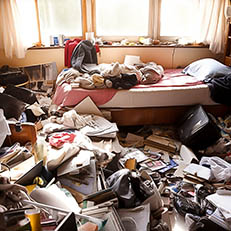
Hoarding creates serious health and safety risks, including fire hazards, structural damage, and unsanitary living conditions. Excessive clutter can attract pests, spread mold, and block emergency exits, putting occupants in immediate danger.