
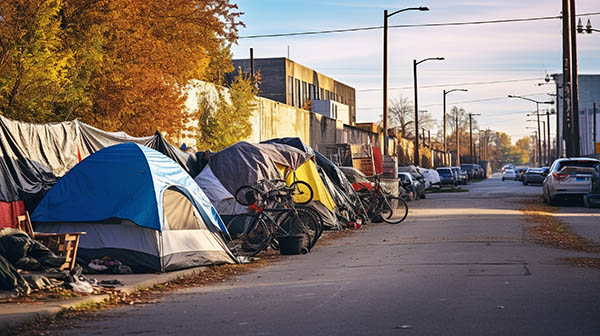
Issues Caused by Homeless Encampments
Homeless encampments, while often formed out of necessity, can lead to a range of serious public health, safety, and environmental issues. Without access to proper sanitation, waste disposal, or clean water, these areas often accumulate human waste, garbage, used needles, and other biohazardous materials. This creates conditions that can spread disease, attract rodents and insects, and contaminate soil and nearby water sources. Fire hazards are also common due to open flames or makeshift electrical setups. Additionally, encampments located near sidewalks, parks, or businesses can lead to safety concerns for both residents and the general public. Law enforcement and emergency responders may be called frequently, putting added strain on local resources. While these issues are significant, it’s important to recognize that they stem from broader social and economic challenges, including lack of affordable housing, mental health support, and addiction services. Addressing encampment problems requires compassionate, coordinated community and governmental responses.
Professional, Caring and Compassionate
- Twenty years of law enforcement and EMS experience
- Locally owned and operated
- Fully licensed and insured
HOMELESS ENCAMPMENT & REMOVAL
Cleaning a homeless encampment after the residents have been removed is a complex and hazardous process that requires trained professionals equipped with proper personal protective equipment (PPE). The cleanup begins with a site assessment to identify safety hazards, such as sharp objects, human waste, used needles, and biohazardous materials. Workers remove and dispose of all trash, abandoned personal items, and temporary structures like tents or makeshift shelters. Biohazardous waste, including bodily fluids, drug paraphernalia, and rotting food, is carefully collected and disposed of in accordance with local health and safety regulations. The area is then thoroughly disinfected using industrial-grade cleaning agents to eliminate bacteria, viruses, and odors. In some cases, pest control may be required to address infestations of rodents or insects. Finally, the site is inspected to ensure it has been restored to a safe and sanitary condition. This detailed process is essential to protect public health and the surrounding environment.
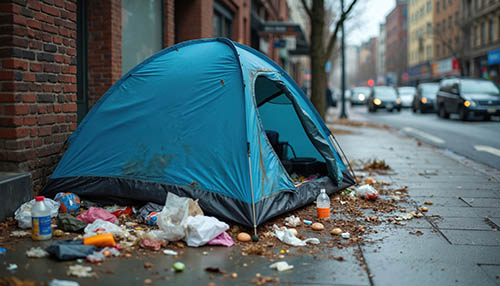
Your Leader In the Cleaning of Homeless Encampments
Our biohazard remediation technicians are held to the highest standards. Each technician has been thoroughly screened and a background check conducted. Additionally, depending on their work assignment, team members may be required to complete various training courses required by OSHA or other governing bodies.
Dangers and Concerns when Cleaning a Homeless Encampment:
- Biohazard Exposure – Risk of contact with blood, feces, urine, vomit, and other bodily fluids.
- Used Needles and Sharps – Potential for accidental needle sticks and bloodborne pathogen transmission.
- Pest Infestations – Presence of rats, insects, or other vermin that can spread disease.
- Airborne Pathogens – Dust and debris may contain mold spores or bacteria harmful when inhaled.
- Hazardous Materials – Possibility of encountering chemical waste, drug residues, or propane tanks.
- Structural Hazards – Unstable tents, makeshift structures, or debris piles may collapse or cause injury.
- Sharp Objects and Broken Glass – Commonly found in and around encampments and pose a laceration risk.
- Extreme Odors and Decomposition – Can indicate presence of rotting food, waste, or even deceased animals.
- Personal Belongings – Need for sensitivity and legal compliance when handling abandoned possessions.
- Emotional and Psychological Impact – Exposure to distressing scenes can affect mental well-being of workers.
Why Professionals are Required

We Kill 99.9% of Bacteria
Bacteria can pose serious dangers, including infections, food poisoning, and antibiotic resistance. Pathogenic strains may cause diseases like tuberculosis and strep throat, while antibiotic resistance complicates treatment, leading to harder-to-manage and potentially fatal illnesses.

More than Blood
Contaminated blood poses severe risks, including transmission of diseases like HIV, hepatitis B, and hepatitis C. Infected blood can lead to life-threatening health issues, spread through transfusions or contact, making rigorous screening and safety crucial.

Hoarding is Dangerous
Hoarding creates serious health and safety risks, including fire hazards, structural damage, and unsanitary living conditions. Excessive clutter can attract pests, spread mold, and block emergency exits, putting occupants in immediate danger.